

The time has come for education-focused diagnostics.
Eedi’s AI-powered learning infrastructure, our Diagnostic Engine, can predict student performance across thousands of maths skills by identifying and resolving students’ misconceptions in real time. It can be integrated into any edtech tool or LLM and powers Eedi’s own assessment tools, DQR and Eedi Tutor.
Our Diagnostic Engine works inside third-party instructional tools, turning every math question into insights teachers can act on.
From as few as ten multiple-choice questions, it identifies the misconceptions behind each student's answers and predicts the gaps that will block their next topic, in real time, without teachers leaving the curriculum they're already in.


The Diagnostic Questions
At the heart of the engine is a library of thousands of multiple-choice maths questions where every wrong answer is engineered by our Learning Design team to reveal a specific misconception — not just that a student is wrong, but why.

The Predictive Models
Our predictive models anticipate the questions a student has not yet answered. Drawing on how millions of students have responded before, the Engine forecasts where a learner is likely to struggle next, and which misconception will misdirect them, so that teachers can intervene early.
The Misconception Graph
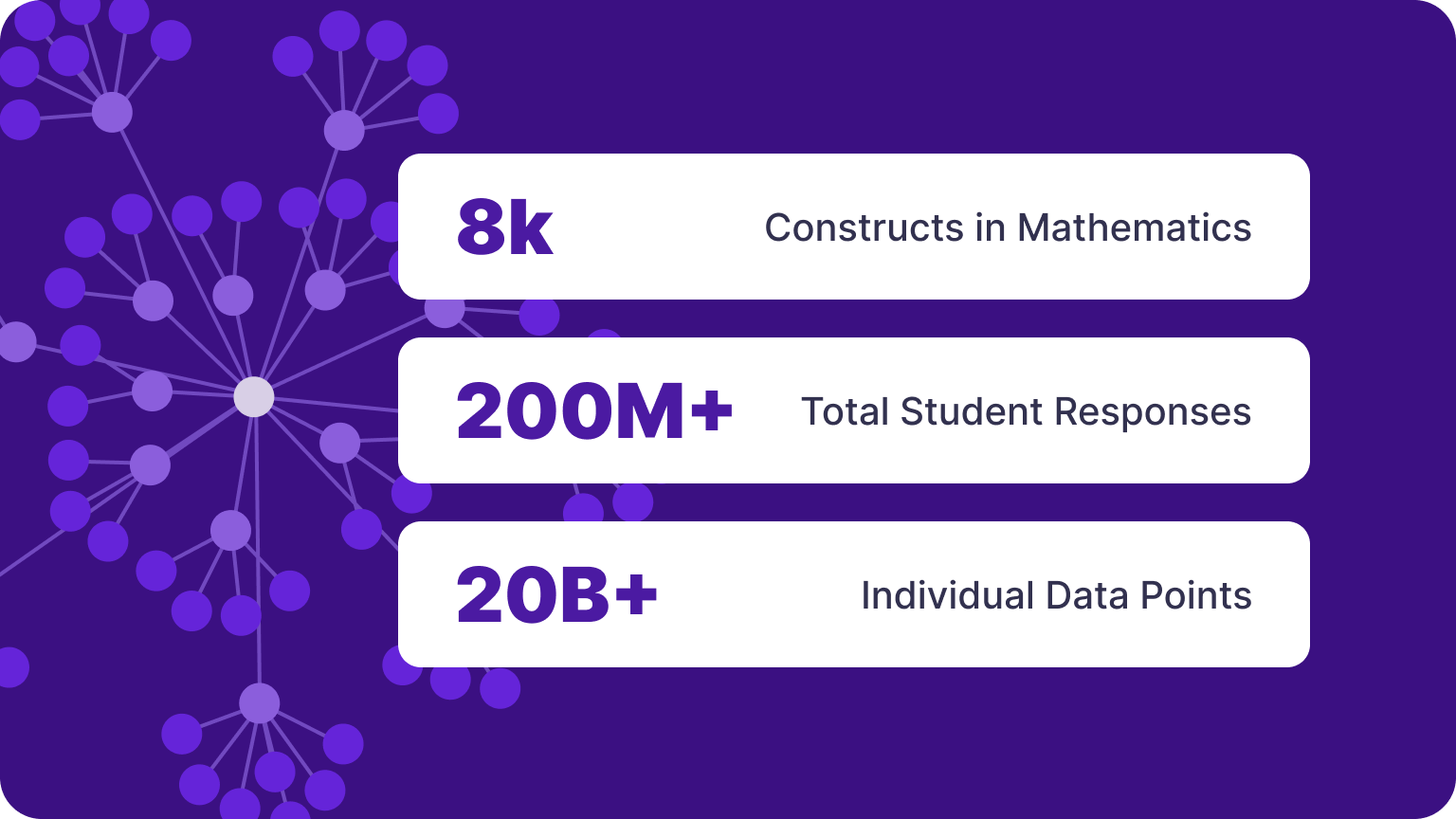
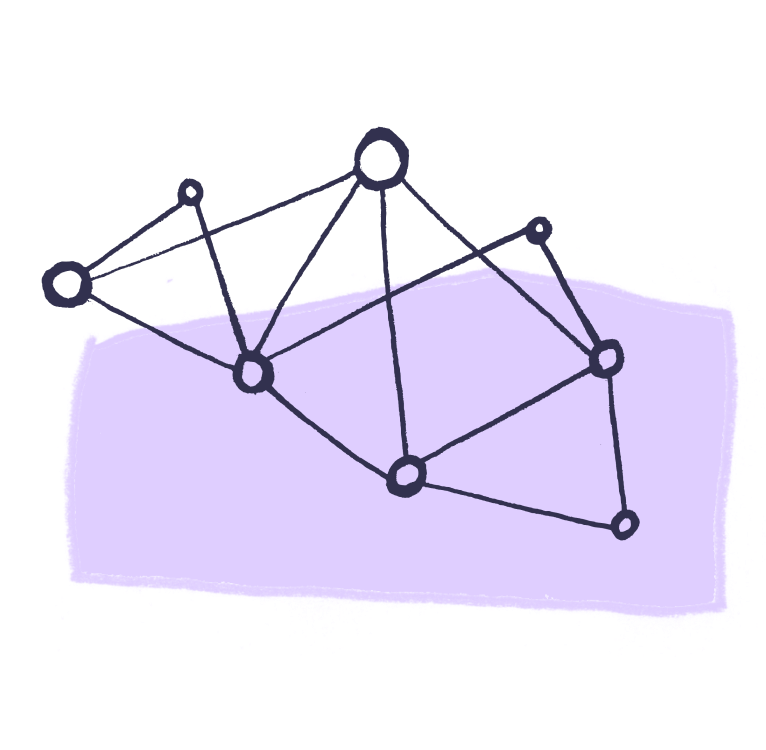
At the core of the Engine is our Misconceptions Graph: mathematics broken down into thousands of individual concepts and over 8,000 misconceptions, giving it unique granularity. And because the Graph is built from the structure of mathematics itself, it maps to any curriculum.
Our products - built on millions of real student responses - find exactly where a student is stuck, then helps them take the next step.
Built on the same expert-authored Diagnostic Questions that power our Diagnostic Engine, DQR turns a single smartphone into a classroom-wide diagnostic tool - capturing whole-class data to power retrieval practice and post-lesson review.

Eedi Tutor is a deliberately constrained AI maths tutor that activates only after a specific error is made. It uses structured Socratic dialogue, grounded in the misconception diagnosis of our Diagnostic Engine, to help learners think their way forward.