
DQR is a whole-class, low-tech diagnostic assessment tool that allows teachers to collect responses from all students simultaneously via QR codes, or printed cards, making that data available for post-lesson review and retrieval practice.
Teachers across the globe face numerous challenges: identifying the knowledge gaps of every student in their classroom, processing those insights in real time, and acting upon them.
Many teachers also face a technology challenge...
Most students have no individual access to a laptop or tablet.
School IT suites are overbooked making real-time feedback impossible.
Classroom internet is often slow, unstable, or non-existent.
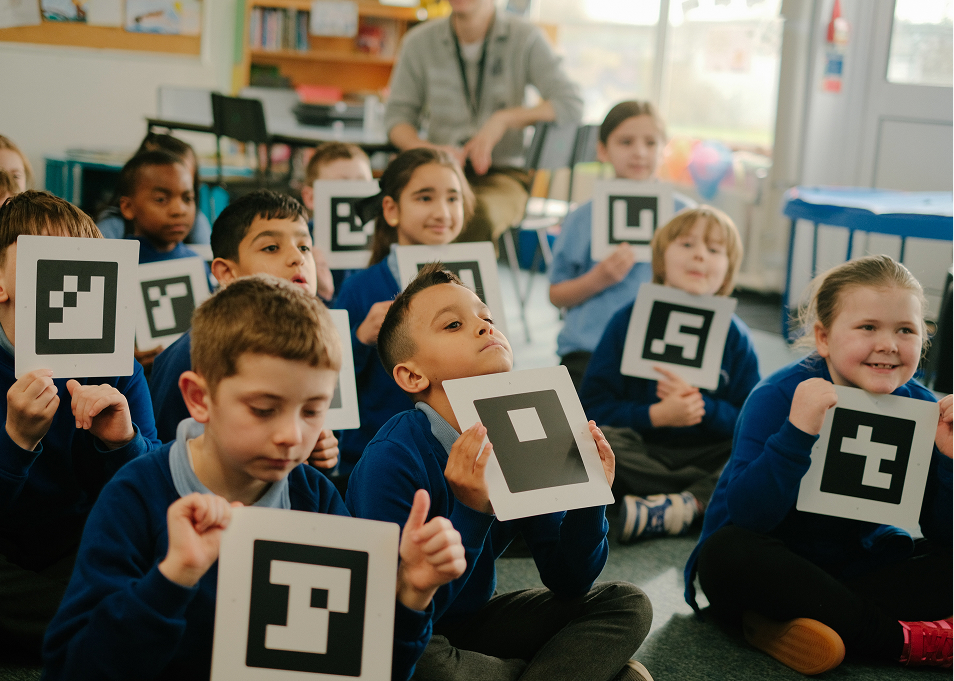
DQR is a whole-class response system that gives every student a voice, not just those who raise their hands. Powered by Eedi’s diagnostic questions, DQR is a simple way for teachers to gather real-time, formative assessment data, from every student in the classroom, in less than 5 seconds. All a teacher needs is a smartphone.
An example of DQR using QR cards:
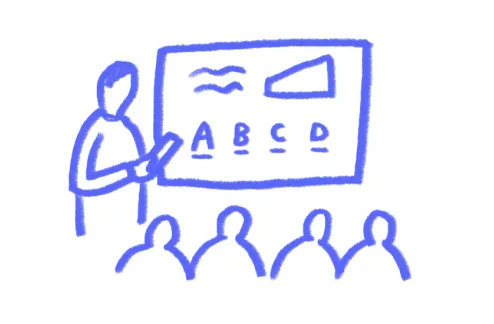
The teacher poses a question to the class, based on Eedi’s diagnostic question quizzes.
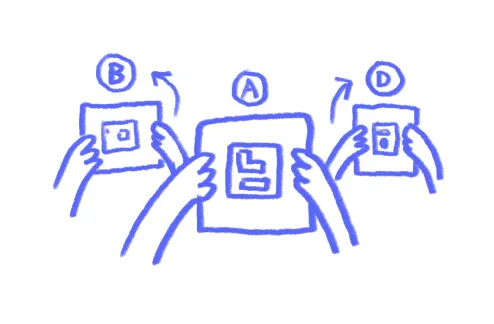
Each student holds up their unique, durable QR card, rotating it to answer between A, B, C, or D.
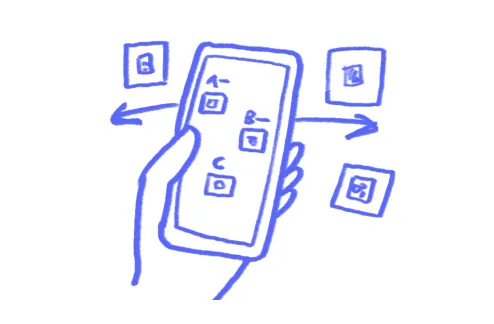
The teacher uses the DQR app on their phone or tablet to scan the entire classroom of students in seconds.

The app instantly provides the teacher with rich data on engagement, and a breakdown of common misconceptions based on wrong answers, so they can adapt their instruction on the spot.
Built on a decade of real student responses, Eedi’s products can predict, identify and help resolve students’ misconceptions so that they can continue their learning journey.

AI-powered learning infrastructure that predicts, identifies and helps resolve misconceptions in maths with high accuracy. Our Engine powers Eedi’s assessment tools, including DQR and Eedi Tutor, and integrates with third party learning tools and LLMs.

Eedi Tutor is a constrained AI maths tutor that activates only after a specific error is made. It uses structured Socratic dialogue, grounded in the misconception diagnosis of our Diagnostic Engine, to help learners think their own way forward.