
Anyone who has worked with children knows that their voices matter. Not merely as a 'tick box exercise', either, but what they have to say actually makes a difference. It guides how you teach a concept to a class or how you organise a room. Children’s thoughts and opinions impact how you communicate with them and what you choose to focus on. They can change your mind.
At Eedi, we care about our users’ experience. All of our users. Both teachers and students are consulted when we develop our products. We have been creating a new tool called DQR. DQ represents ‘diagnostic questions’ and QR is for ‘QR codes’. It is a low tech tool whereby teachers can choose and present a quiz of high quality diagnostic questions. The children select their answers to the questions by changing the orientation of a personal QR code. The teacher then scans the room with the camera on their tablet or smart phone and gets immediate insights as to the class’ understanding of the construct the quiz is checking.
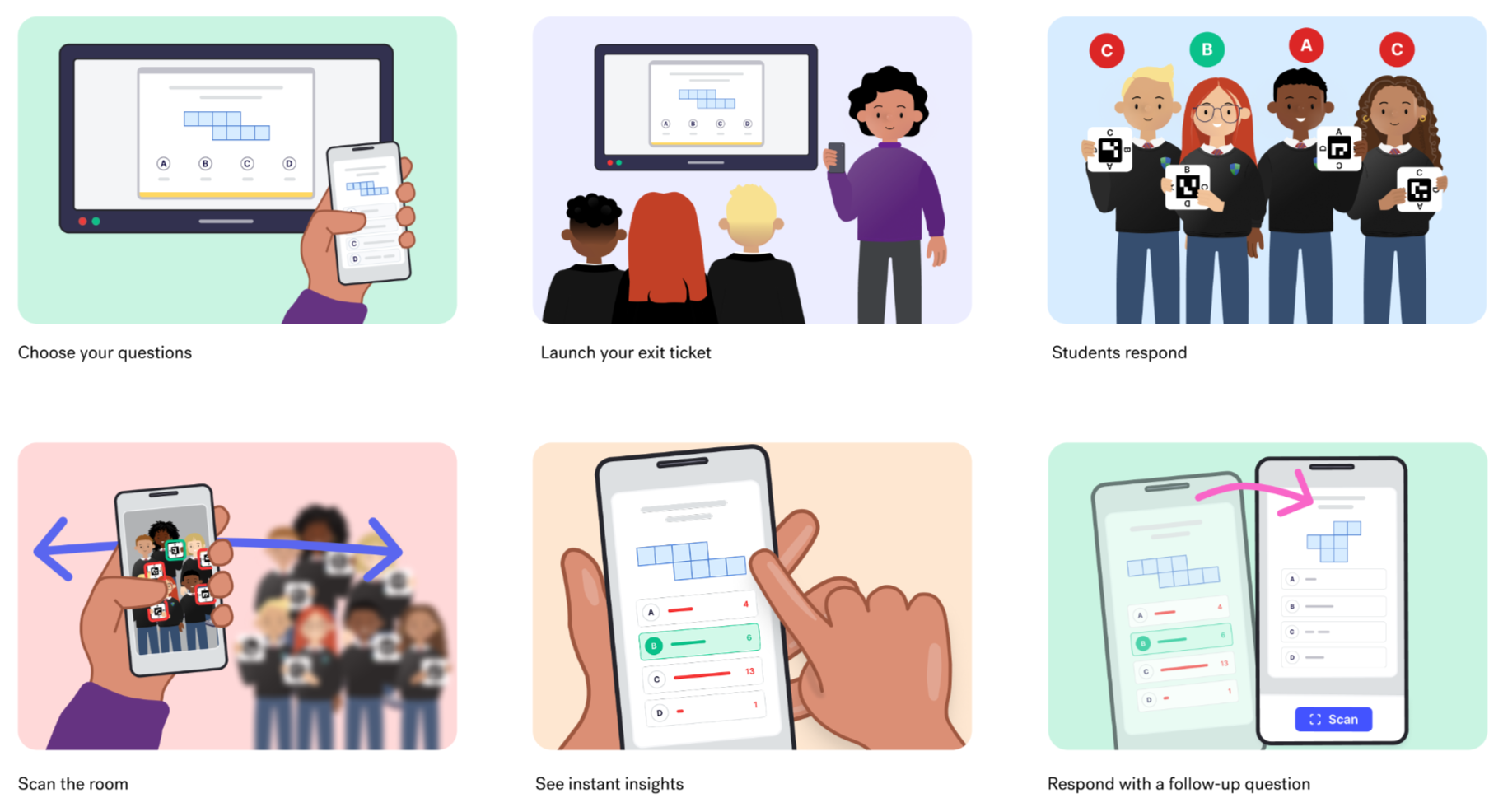
While we had already gathered feedback from teachers about DQR, the student experience was the next crucial piece of the puzzle. How do students feel when using the DQR cards? Are they accessible to all learners? What would help students engage with them more deeply? And are there aspects that need improving? The answers to these questions would provide vital evidence to help transform DQR from a useful tool into a truly impactful one.
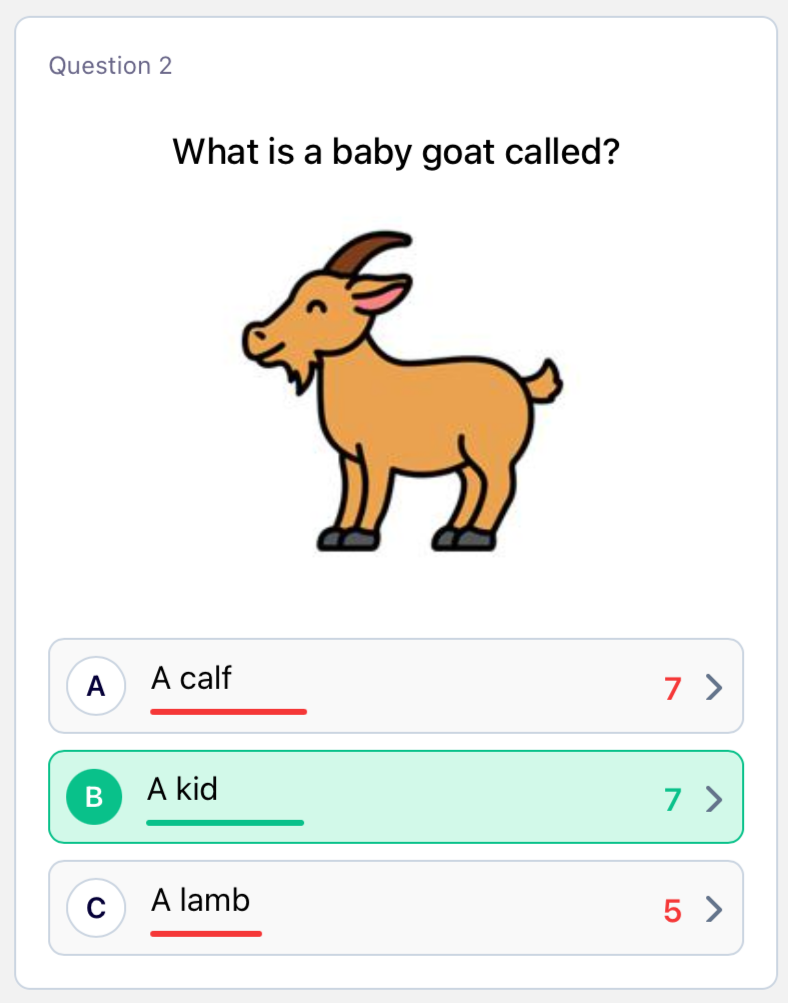
We organised four school visits, working with 118 students ranging from 6 to 11 years old. While we were trialing DQR we completed an onboarding quiz with each class. Our year 4 demo general knowledge quiz uncovered a large number of children who did not know the name of a baby goat (“But a baby human is a kid” - year 6 pupil, Cardiff). However, once confident with the mechanics of orienting the cards to show their answers, the pupils tried out maths quizzes on constructs they had already covered. After finishing two or three quizzes, students had the opportunity to engage in small group discussions about their thoughts and feelings. Opinions were shared orally and then all students were invited to fill out a feedback form, giving us data to refer back to.
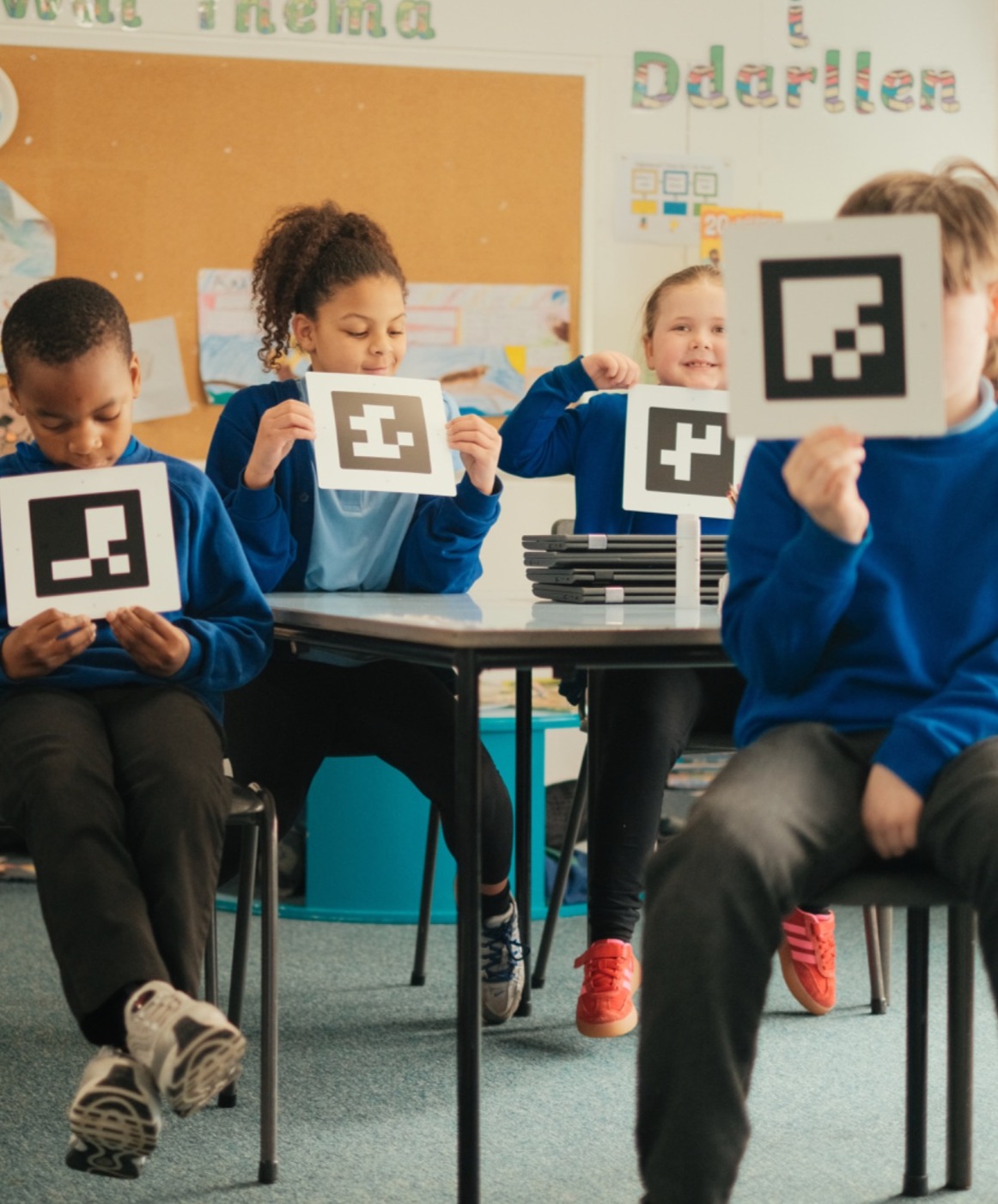
There is no guile with kids. They say what they think and are honest in their feedback. So, what do we do with the fact that one boy thought the cards ‘should smell better’? Or what about changing the colour of the cards to orange so that they ‘pop’ or are ‘glittery’? I do not think we will release an Eedi signature scent to spray the cards with anytime soon, or update our DQR branding, but we did gain some valuable insights that we should listen to. 61.5% of all students who gave feedback said that, in their current form, the answer letters on our DQR cards are too small. 75% of pupils said that the ABCD should be on the backs of the cards (or at least on the front and back) so they can see their choice while showing the teacher (a good way to reduce human error). An overwhelming 90.4% of pupils would love it if their teacher used DQR with them, 74% preferring the experience to using mini whiteboards.
We know we’re building something special. The simple reactions we hear — “It’s perfect,” “This is really fun,” and “Can’t we do more quiz questions?” — remind us that children already have a natural love of learning. Our role is to nurture it. By continuing to improve DQR and refine the design of the DQR cards, we can help that enthusiasm shine through. A 4.53/5 rating on our feedback form suggests we’re off to a promising start.
In a nutshell, student voice matters to Eedi. It changes what we do.